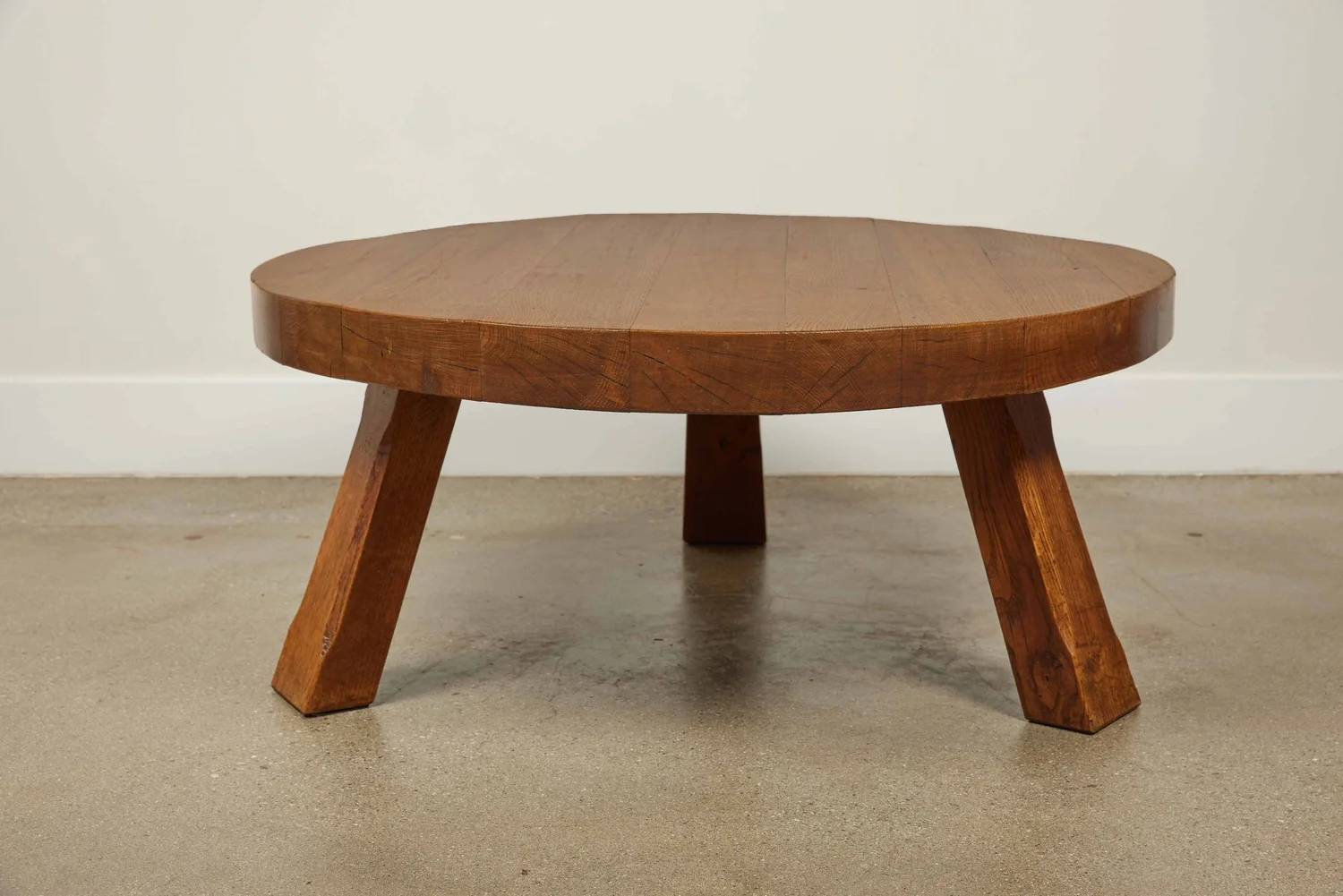
How to Buy Vintage Furniture Without Getting Burned: What Forty Years in Design Taught Me
I've been buying vintage furniture for forty years, and I still get fooled now and then. Less often than I used to. But it happens, and anyone who tells you they never make a mistake is either lying or not buying enough. So when people ask me how to buy vintage furniture without losing a shirt, I tell them the truth: it's a skill you build with your hands and your eyes, slowly, over a lot of small wins and a few expensive lessons. I grew up watching my father, a contractor, run his palm along a joint to feel whether it was square. That stuck with me. I went on to study interior design at UCLA, then spent years traveling across Europe looking at how the old makers solved problems, and now I source constantly for clients and for my own dealing on 1stDibs. Here's what I actually look for.
How to Buy Vintage Furniture: Start With the Bones
Before color, before style, before any of the romance, I check whether the thing is built to last another fifty years. Sit on it. Push down hard on a front corner of a chair or sofa and feel for movement. A little give in an old frame is normal, but a wobble that travels the whole piece is a different matter entirely. For case goods, open every drawer and pull it all the way out. Look at the back corners where the drawer sides meet the front. Dovetails cut by hand will be slightly uneven, fat and skinny, never machine-perfect, and that irregularity is a good sign on a piece claiming to be pre-1900. Machine-cut dovetails, tight and identical, point to roughly 1860 onward. A drawer that's stapled or held with finish nails and a little glue is younger and cheaper than someone is probably telling you. Turn things over. Honestly, the underside of a chair tells me more than the top. I'm looking at the seat rails, the corner blocks, whether the glue blocks are original or whether someone wedged in a chunk of pine from the garage in 1994. New screws in old wood, bright and Phillips-head, mean a repair. That's not automatically bad, but you want to know. And smell it. Old oak and walnut carry a particular dry, slightly sweet smell. Mildew means the piece sat somewhere damp, and once that's deep in the wood and the joinery, you may never fully get it out.
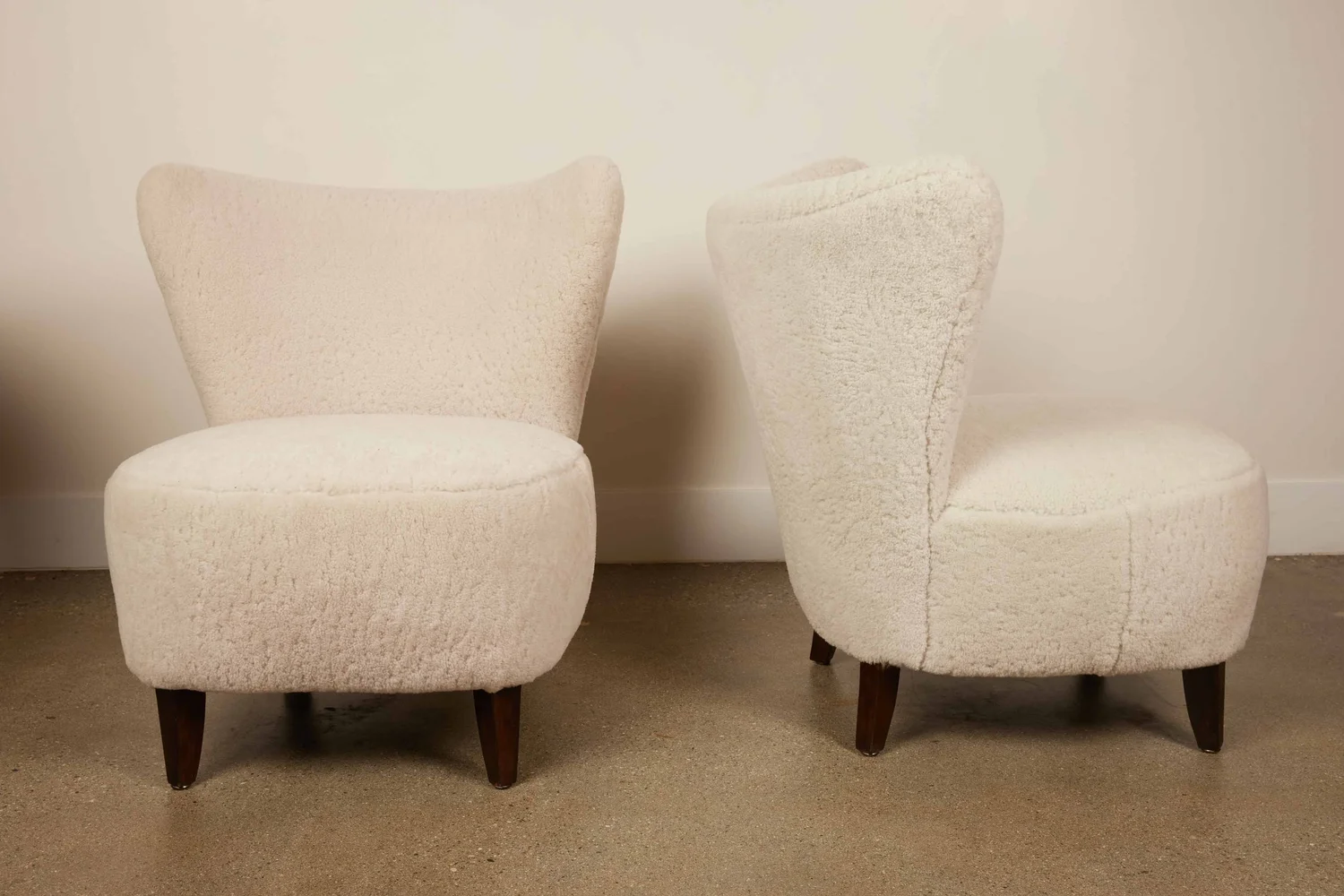
Spotting Reproductions and Marriages
The two things that cost people the most money aren't outright fakes. Reproductions sold as period pieces, and "marriages," where a top from one piece gets bolted to a base from another, are what drain wallets. Wood ages from light and air. Timber that's been exposed for a century reads warmer and more uneven in tone than wood that's been hidden inside a joint. Pull a drawer and look at the runner: the part that rubs should show a soft sheen, paler, almost polished by a hundred years of hands. If the inside of a "1920s" dresser is uniformly the same color in every corner, in spots no hand ever touched, be suspicious. Reproductions give themselves away in details the makers cut to save money. Look underneath at the secondary wood, the stuff used where it won't show. A real French or English antique uses the cheap local wood of its region, oak or pine or poplar. A reproduction built for export often uses a wood that has no business being there. Veneer thickness is another tell. Old veneer, hand-sawn, can run a sixteenth of an inch or more. Modern veneer is paper, sliced to a few thousandths, and you'll see it lift at a chipped edge looking almost exactly like a sheet of laminate. For mid-century pieces, maker's marks matter enormously, and the fakes have gotten very good. The reproduction Danish market is a minefield. I wrote a whole piece on how to tell if a mid-century modern piece is worth the money, because the gap in value between a real 1958 piece and a 2015 copy can be enormous.
What Condition Is Worth Paying For
Here's where I'll admit a trade-off, because the purists and the realists disagree, and they're each partly right. A pristine, untouched, all-original finish is the holy grail to collectors, and it commands a premium. But you have to actually live in your house. I've talked clients out of a "perfect" original piece because the finish was so fragile that one sweating glass of rosé would have ruined it, and I've happily bought refinished pieces that a collector would sniff at because they were going to get used hard in a Malibu kitchen full of kids. What I won't forgive is structural repair done badly. A cracked frame held together with a metal mending plate, replaced feet that don't match, re-veneering that bubbles. Value killers, every one, and headaches besides. What I forgive easily:
- Honest wear on edges and arms, the soft rounding that comes from real use
- A re-cane or re-rush done properly by a craftsman
- New upholstery on a sound frame, as long as the frame underneath is original and tight
- Old repairs that have held for fifty years and aren't going anywhere
Original brass, by the way, should feel cold and heavy in your hand and a little oily where people have touched it. Reproduction hardware is light, often too shiny, and the casting detail goes soft. Pick up a drawer pull before you trust the rest of the piece.
Understanding the Markets and What You'll Pay
The same chair costs wildly different amounts depending on where you find it, and each market trades convenience for risk. Auction is where I buy a lot, because that's where the real value lives if you know what you're looking at. You'll pay a buyer's premium on top of the hammer price, a meaningful chunk these days, so do that math before you bid. Preview in person if you can. Auction houses describe condition in careful language, and "in the manner of" or "attributed to" means they are not standing behind the attribution. Read every word. Dealers cost more, and they should. When you buy from a good dealer you're paying for that person's eye and guarantee, the years spent learning what you didn't have to learn. A real dealer will tell you what's been repaired, will take a piece back if it's misrepresented, and has already weeded out the junk. That markup is insurance. Online, 1stDibs included, where I sell, is convenient and lets you reach pieces you'd never find driving around. But you're buying from photographs. So ask for more of them: the joinery, the underside, the back, any damage. Ask the dealer to describe the finish in words. A reputable seller answers fast and in detail. Silence or vagueness is your answer. Flea markets and estate sales are where the bargains and the heartbreak live side by side. The Rose Bowl flea market on the second Sunday of the month, the estate sales out in Pasadena and the canyons, that's treasure hunting. Cash, early, no returns, trust your own eye completely. If you want a head start on real-world hunting grounds, I keep a running list of where to actually find good vintage furniture in Los Angeles, and up north there are the antique and vintage shops worth hunting down around Montecito and Summerland.
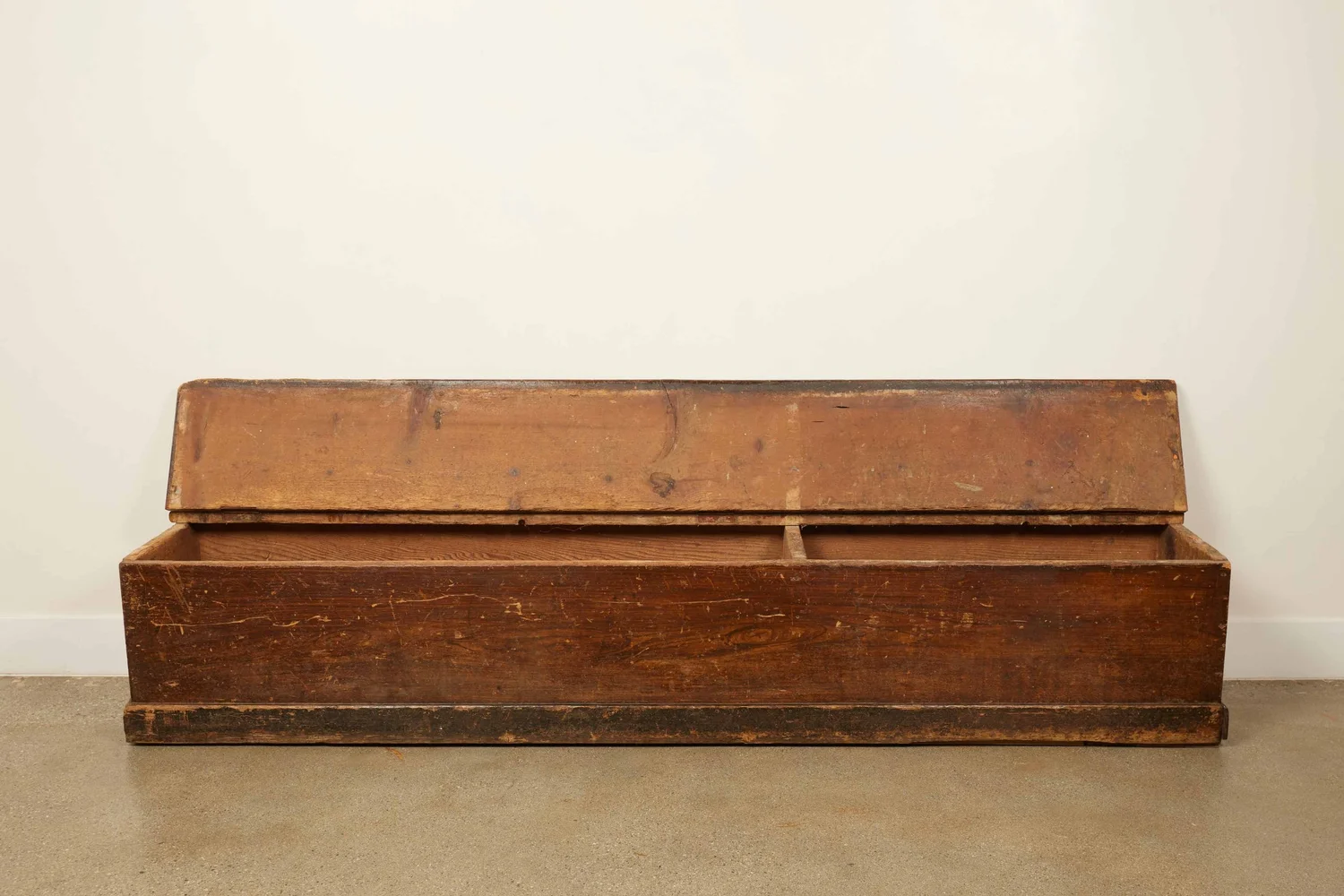
How to Negotiate Without Being a Pain
People get strange about haggling. Don't. At a flea market or estate sale, a fair cash offer a bit under the ask is normal and nobody's offended. Be warm about it. Buy three things and the math gets friendlier on all of them. With an established dealer it's different and the etiquette is quieter. There's almost always a little room, but you ask once, politely, and you respect the answer. "Is this your best price?" is the entire negotiation. I've stayed firm on pieces I knew were worth it and watched the buyer come back two weeks later, and I've also knocked real money off for someone I liked who clearly loved the piece and was going to give it a good home. We're human. Be the buyer a dealer wants to call when something special comes in. One more thing on price. Factor in restoration, refinishing, reupholstery, and freight before you decide something's a deal. A 9-foot Danish credenza for a song stops being a song when the shipping from Denmark and a new finish double the number.
Buy What You'll Actually Love
I lost my own home and almost everything in it in the 2018 Woolsey Fire. Rebuilt my whole collection from nothing. The strange gift of that experience was learning, all over again, that the pieces worth having are the ones with a soul, the hand-rubbed oak and the worn linen and the limewash-toned plaster that catch the 4pm light going gold on a west wall and make a room feel as if it's been loved for years even when you just moved in. That's the whole point of buying vintage. Investment matters, sure, and good pieces do retain value over time, but a real 1962 piece carries a warmth that nothing off a factory line will ever fake. Buy slowly. Buy the best example you can afford. Wait for it. If you'd like a second pair of eyes before you commit to something, or you want help finding the right pieces for your rooms, that's a lot of what I do at Janette Mallory Interiors. Come book a consultation and tell me about the room and the hunt. I love this part.