Where to Actually Buy Good Vintage Furniture in Los Angeles
I've been buying old furniture for forty years, long before anybody built an Instagram account around it. My father was a contractor, so I grew up learning how things were actually made, and that's the eye I bring to every hunt. The hard part of finding good vintage furniture in Los Angeles is never scarcity. The city is drowning in the stuff, and most of it is junk dressed up in good lighting. So let me tell you where I actually go. The real list, not the tourist version.
Why I Still Source Vintage Furniture in Los Angeles After All These Years
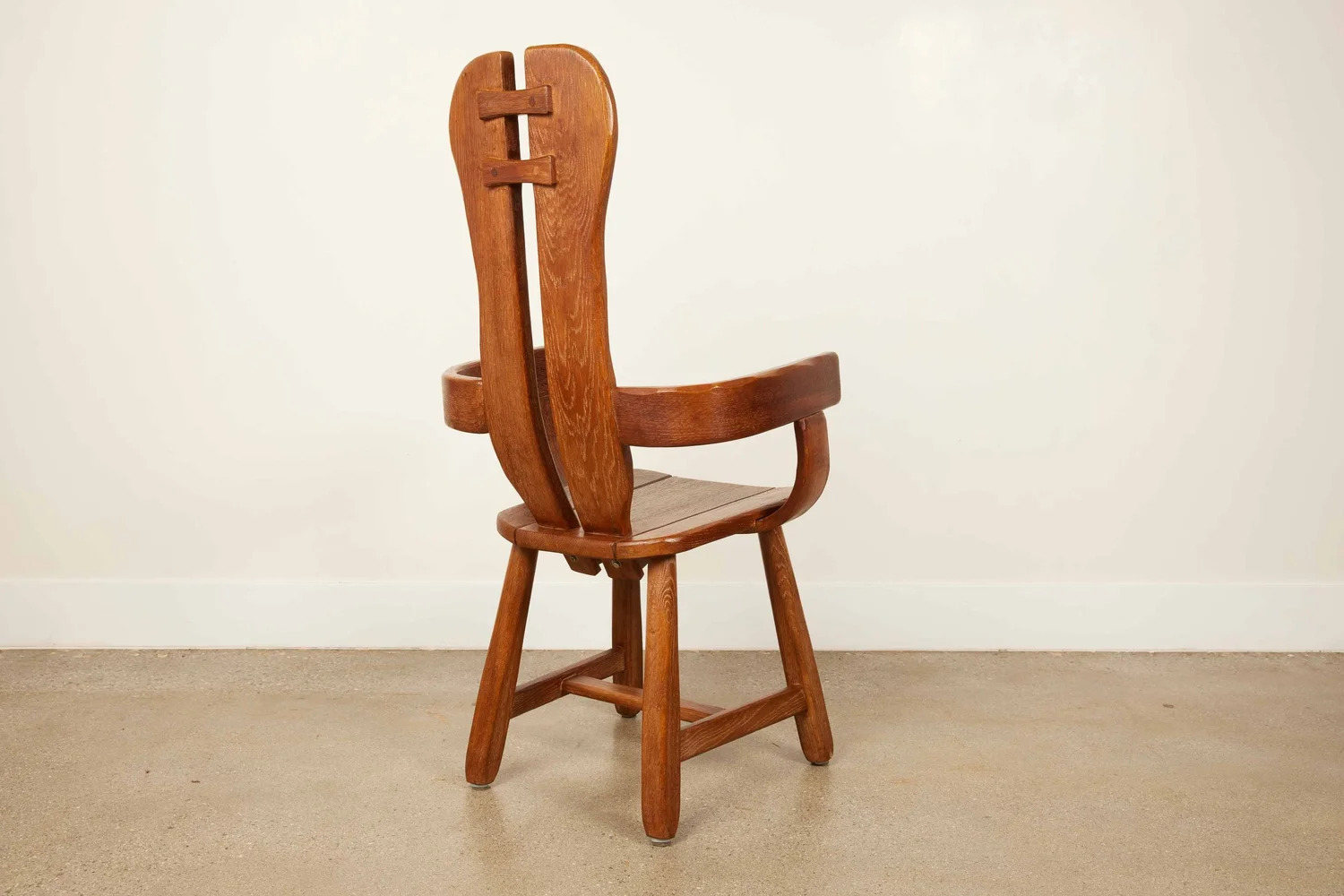
A new sofa is a new sofa. But a 1960s Danish credenza in solid teak, with the patina that only sixty years of someone's living room can give it, has a warmth you cannot manufacture. That's the heart of the warm modern rooms I build: linen, plaster, oak, stone, and then one or two pieces with a real history to them. I lost my own home and nearly everything in it to the Woolsey Fire in 2018. Rebuilt my whole collection from zero. That experience taught me something about objects: the good ones are worth the hunt, and the rest you can let go. I also sell. I'm an active dealer on 1stDibs, so I'm out sourcing nearly every week, which means the list below is where my own money actually goes, week after week.
The Rose Bowl Flea Market: Go Early, Go West
If you only do one thing, do the Rose Bowl. Second Sunday of every month in Pasadena. It's the giant among vintage markets in Los Angeles, and it earns the reputation. Here's the part nobody tells you. Arrive at the early-entry hour, which means paying the premium ticket and being in line before sunrise. By 8 a.m. the dealers I trust have already sold the best pieces to other dealers. I've watched a perfect pair of Milo Baughman chairs walk out the gate at 7:15, and the tour bus crowd that showed up at noon paid double for worse. Head straight to the far west side, past the food and the new merchandise, to the section where antique and vintage dealers set up on the asphalt. That's the white-tent and tarp territory. Everything east of that is mostly reproductions and t-shirts. Don't waste your legs. What I look for there:
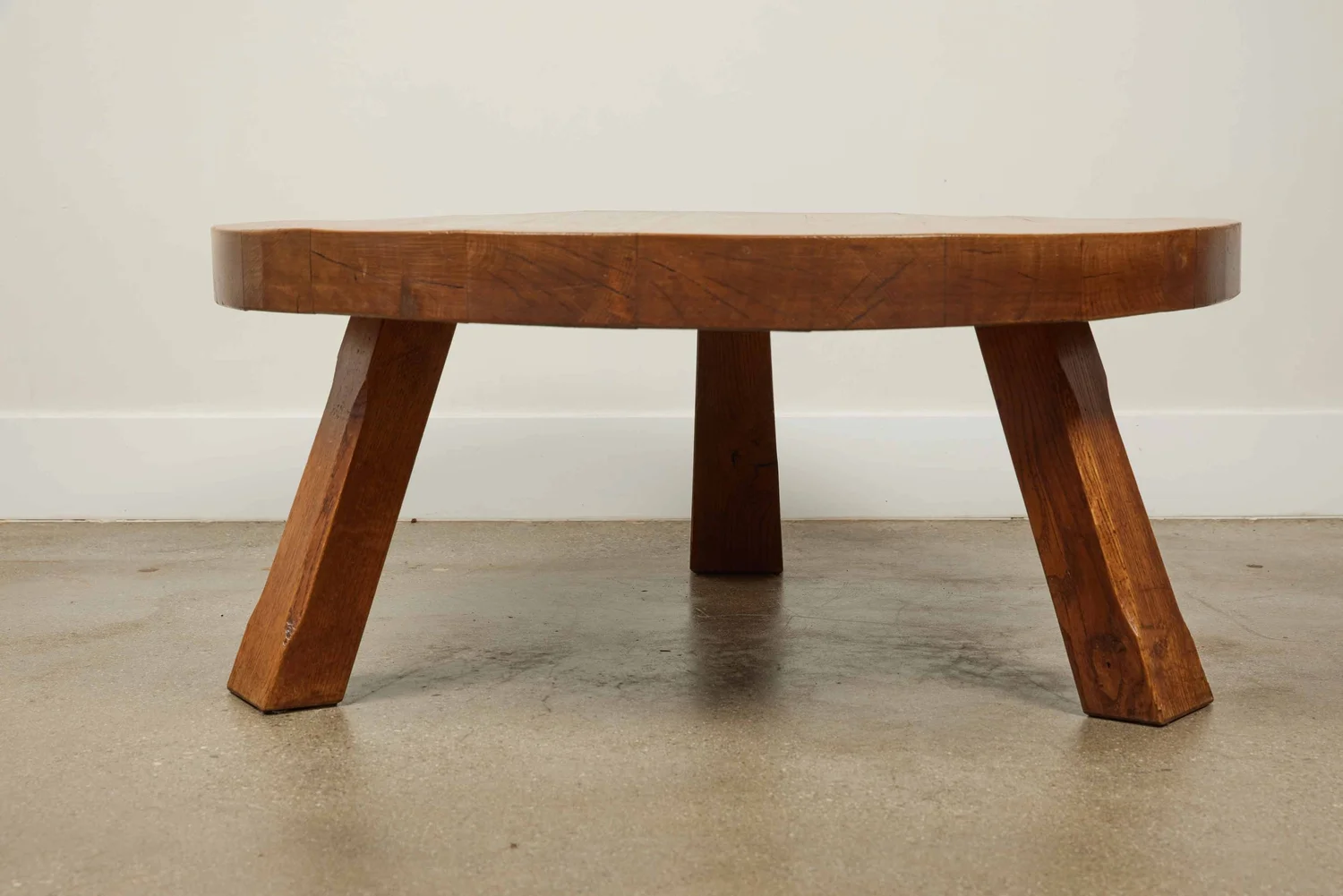
- Solid wood case goods, teak and rosewood and white oak, with dovetailed drawers
- Real travertine and marble, heavy enough that you feel it before you lift it
- Vintage rattan and cane that hasn't been over-restored
- Brass and bronze lighting, because the weight and the cold of a real brass pull tells you everything
Bring cash, bring a tape measure, bring a friend with a truck. Haggle gently, too. Working dealers respond to a fair offer far better than a lowball, and the relationship is worth protecting.
Melrose Trading Post: Smaller, Younger, Sneaky Good
Every Sunday at Fairfax High, on Melrose and Fairfax. The Melrose Trading Post is a fraction of the Rose Bowl's size, and that's exactly why I like it some weekends. It skews younger and more design-forward. More 1970s and '80s pieces, more postmodern oddities, more of the stuff that's coming back around right now. I've found Italian glass, smoked Lucite, and a chrome-and-cane bench there for a quarter of what a shop two blocks up Melrose Avenue would've charged for the same thing. Honesty is the trade-off. Reproduction shows up here often, and confident misattribution comes standard: somebody will swear a piece is Italian when it's a Cost Plus knockoff from 1994. Know your stuff or bring someone who does. I wrote a whole piece on how to buy vintage furniture without getting burned for exactly that reason.
The La Cienega Design District Dealers
When I want something specific and verified, I go to the dealers on and around La Cienega and Beverly. This is antique furniture Los Angeles at its most serious. The prices reflect it. You're paying for more than the object here. The curation and the expertise behind it ride along with the price. A good dealer on Almont Drive will know the provenance of a piece, will have already addressed the structural issues, and will stand behind the sale. For a client who wants one extraordinary thing and doesn't have six Sundays to spend at flea markets, that's the right room to be in. I still negotiate. Trade discounts are real, and if you're working with a designer, ask. Most of the dealers in that corridor give a real trade discount, and a good designer passes that along or at least uses it to stretch your budget further.
The Trade-Only Resources Most People Never See
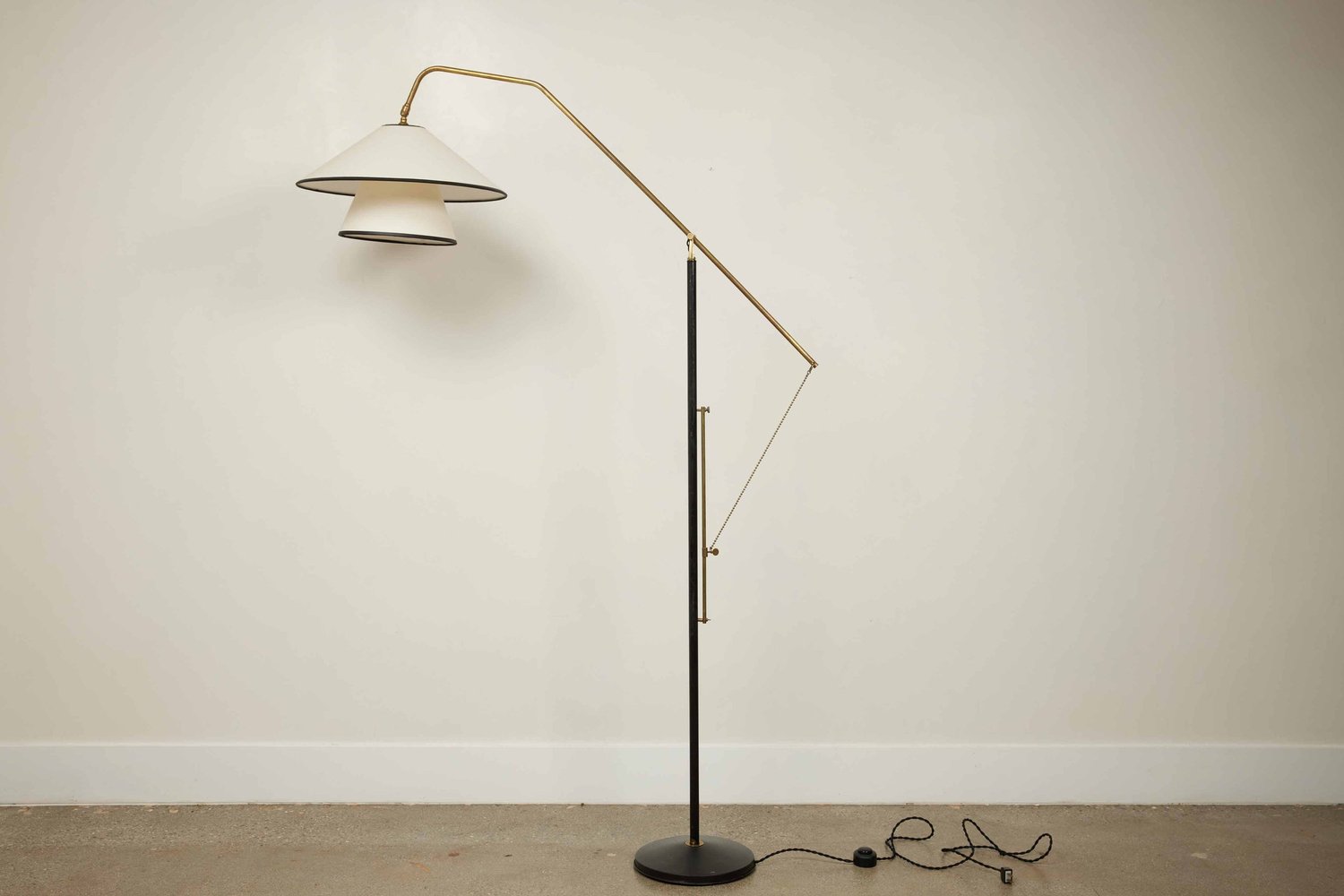
Here's the part that frustrates people, and I get it. The best vintage furniture in Los Angeles often never reaches a public showroom floor. There's a whole layer of dealers who sell warehouse-to-trade, by appointment, container by container. I get texts with photos of a 9-foot Danish sideboard before it's been cleaned, let alone listed. 1stDibs is the public face of some of that world, and it's good, but the platform price includes the platform's cut. That same dealer will often do better for someone they know. That's one honest argument for working with a designer. We carry the relationships. I've spent forty years earning the phone numbers, and they don't appear on a Google map.
Beyond the City: Why I Drive North
I run my studio on Montana Avenue in Santa Monica, but I've been expanding up to Montecito, Santa Barbara, and Summerland, and hunting up the 101 is a real reason why. Summerland in particular is a small stretch of antique shops that punches far above its size, full of estate pieces from old Santa Barbara houses that have stayed in the area for generations. The light up there at 4 p.m. goes gold along a whole row of storefronts, and the inventory turns over more slowly, which means you can think before you buy. I put together a guide to the antique and vintage shops worth hunting down up that way if you're making the drive.
How to Not Get Fooled
A quick, hard-won list, because the single biggest mistake I see is people falling for a famous silhouette without checking the bones.
- Open every drawer. Dovetails good, staples bad.
- Lift one corner. Real hardwood and stone have honest weight; particleboard is a giveaway.
- Smell it. Old plaster has a chalk to it, old wood a particular dryness; fresh varnish hides sins.
- Check the joints for wobble and the veneer for bubbling, because a refinish can mask a structural problem you'll pay for later.
- Look underneath. Labels, maker's marks, and old repair work all tell the truth.
Mid-century is where the most money gets lost, because the lookalikes are everywhere now. If that's your hunt, read how to tell if a mid-century modern piece is worth it before you spend real money on a name.
A Few Honest Caveats
Vintage isn't always the answer, and I'll say so to a client's face. Upholstered antiques often need to be completely rebuilt, and the labor can cost more than a new custom sofa. Some old case goods are simply too small or too tall for how we live now. A room that's all vintage reads cold and self-conscious, more museum than home. I mix. One rare old thing, a lot of quiet new things, and natural materials holding it together. That balance is most of the job, honestly. The sourcing is the fun part. The editing is the skill. If you're hunting for a piece and you're not sure it's right, that's exactly the conversation I enjoy most. Come find me at Janette Mallory Interiors, or book a consultation and tell me what you're chasing. I've probably already got a dealer in mind.